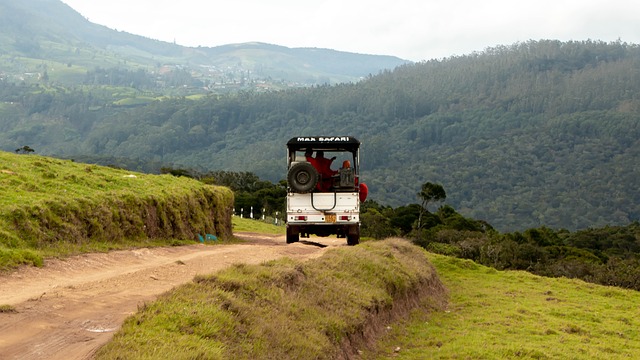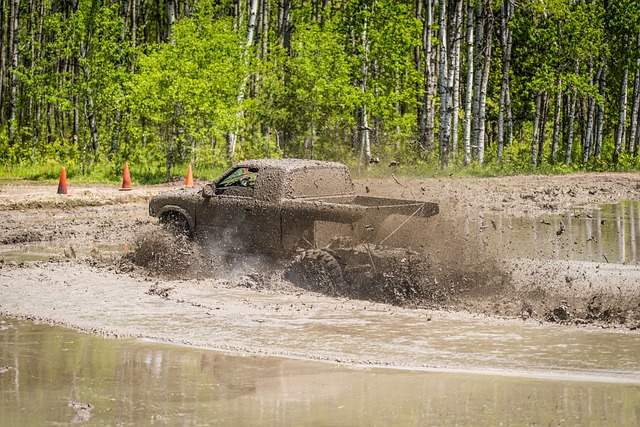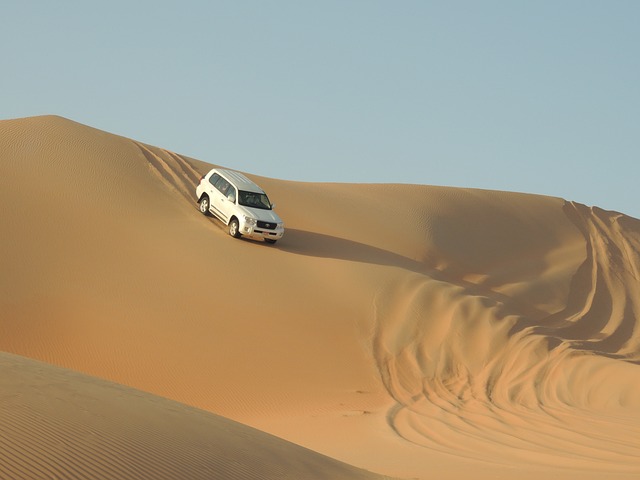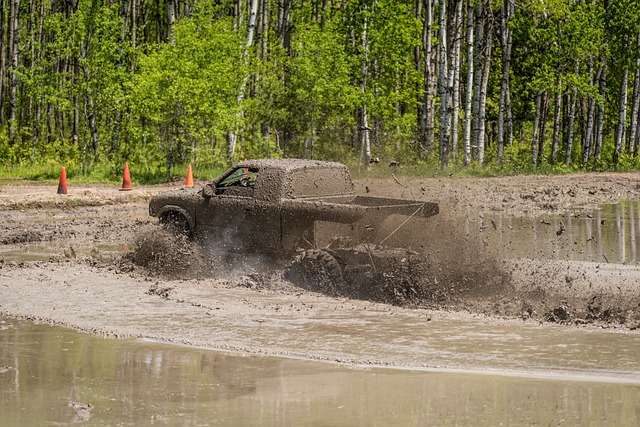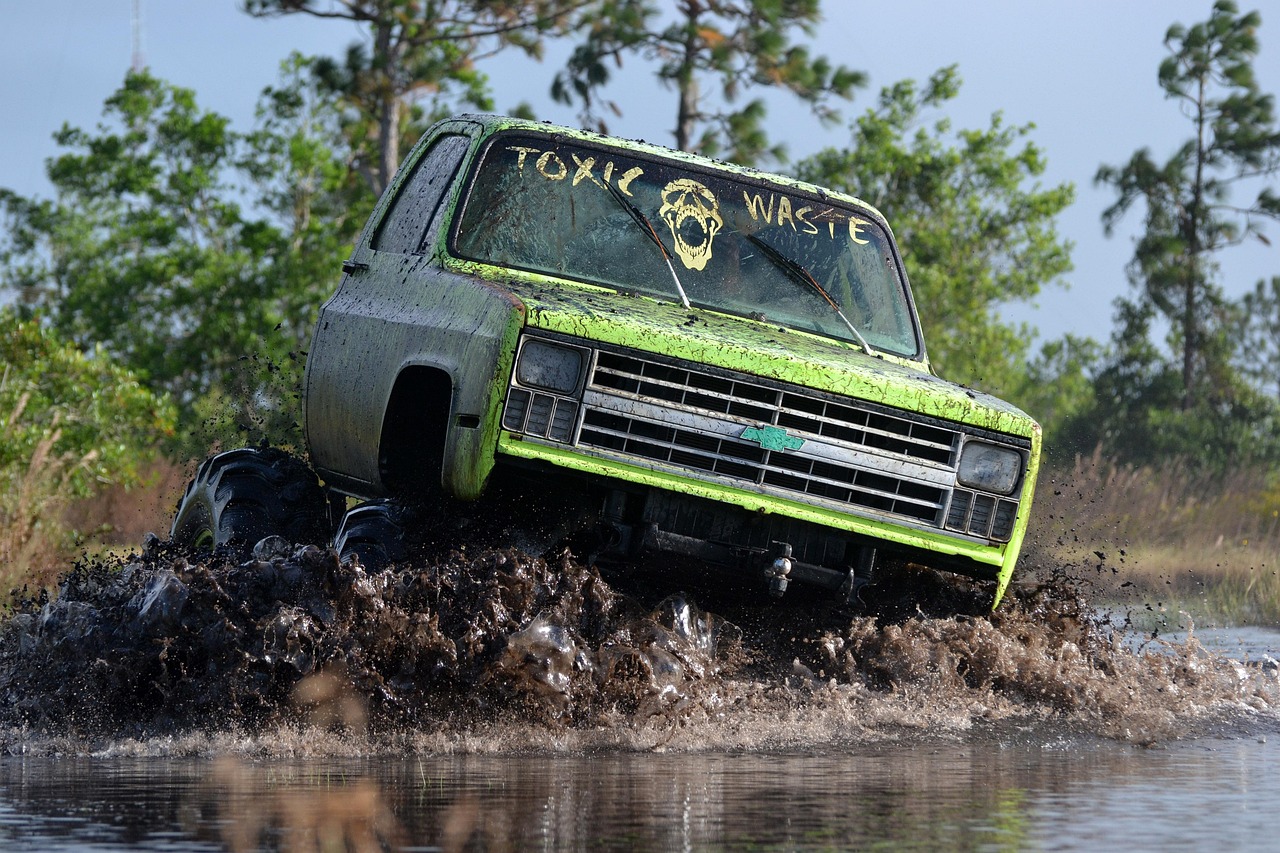
Brownsville-4×4-off-road-accessories are essential for those who love to explore rugged terrains. Among the many components that contribute to a smooth and safe off-road adventure, brake calipers stand out as critical elements. This article delves into the world of 4×4 accessories, specifically focusing on brake calipers, their importance, types, benefits, and how to choose the best ones for your vehicle.
Understanding Brake Calipers: The Unsung Heroes of Off-Road Braking
Brake calipers, often overlooked, are the primary components that apply pressure to your vehicle’s brake pads, enabling effective braking. In off-road vehicles, where extreme conditions and heavy loads are common, robust brake calipers are crucial for ensuring control and safety.
How Brake Calipers Work
Brake calipers operate by squeezing brake pads against the rotor, which slows down the wheel. The force applied by the caliper is directly proportional to the vehicle’s braking power. In off-road conditions, where braking distances can be longer due to loose terrain and high vehicle weights, powerful calipers can make a significant difference.
The Importance of Upgrading to Better Brake Calipers
Choosing the right Brownsville-4×4-off-road-accessories, including brake calipers, can significantly enhance your vehicle’s performance and safety. Here’s why upgrading is essential:
-
Improved Braking Power: Better calipers can provide increased stopping force, which is vital in emergency situations or when navigating through challenging off-road terrain.
-
Enhanced Control: High-quality calipers offer better control, allowing you to steer your vehicle more precisely during sudden maneuvers or on slippery surfaces.
-
Longer Brake Life: Durable calipers can withstand the rigors of off-road driving, ensuring your brakes last longer.
-
Reduced Brake Fade: High-performance calipers distribute heat more efficiently, reducing the risk of brake fade, a common issue in extreme conditions.
Types of Brake Calipers for Off-Road Vehicles
The market offers various types of brake calipers designed to cater to different off-road needs. Here’s a look at some popular options:
1. Standard Calipers
These are the most common calipers found on many on-road vehicles. While they are reliable, standard calipers may not provide the necessary stopping power for off-road adventures. They are best suited for mild terrain and lighter vehicles.
2. High-Performance Calipers
Designed for superior braking performance, high-performance calipers are a popular choice among off-road enthusiasts. They feature enhanced heat dissipation and stronger construction to withstand extreme conditions. Look for calipers with larger pistons for better pad engagement.
3. Off-Road Specific Calipers
Specially engineered for the rigors of off-road driving, these calipers offer enhanced durability, heat resistance, and performance. They often come with features like dust boots to protect against debris and specialized padding to withstand extreme temperatures.
4. Hydraulic Calipers
Hydraulic calipers offer precise control and consistent braking performance. They are ideal for off-road vehicles requiring precise handling, such as rock crawlers. These calipers use hydraulic pressure to apply force, ensuring consistent braking power.
Benefits of Upgrading to High-Quality Brake Calipers
Investing in top-tier Brownsville-4×4-off-road-accessories, like high-performance brake calipers, brings several advantages:
-
Enhanced Safety: Improved braking power and control significantly increase your safety, especially in critical situations.
-
Better Performance: High-quality calipers can transform your off-road driving experience, offering smoother and more responsive handling.
-
Longevity: Durable calipers extend the life of your entire braking system, reducing the need for frequent replacements.
-
Resale Value: Upgrading to better components, including brake calipers, can positively impact your vehicle’s resale value.
Choosing the Right Brake Calipers for Your Vehicle
Selecting the appropriate calipers for your off-road vehicle involves considering several factors:
1. Vehicle Make and Model
Ensure that the calipers you choose are compatible with your specific vehicle make and model. Using calipers not designed for your vehicle can lead to poor performance and potential damage.
2. Terrain and Use
Consider the type of terrain you primarily drive on and the intended use of your vehicle. If you primarily stay on paved roads, standard calipers may suffice. For extreme off-road conditions, opt for calipers designed to handle such challenges.
3. Load Capacity
The weight your vehicle carries, especially during off-road adventures, plays a significant role in caliper selection. Heavier vehicles require calipers that can handle the increased braking force needed to stop them safely.
4. Cooling Requirements
Off-road driving generates significant heat, especially in high-performance vehicles. Calipers with adequate cooling capabilities, such as those with heat sinks or dust boots, are essential to prevent overheating.
Installation Tips for Brake Calipers
Proper installation is crucial for ensuring the best performance and safety from your new calipers. Here are some installation tips:
-
Follow the Manufacturer’s Instructions: Always refer to the instructions provided by the caliper manufacturer for specific installation procedures.
-
Ensure Proper Fit: Double-check that the calipers fit your vehicle correctly. Misaligned calipers can lead to uneven braking.
-
Use the Right Tools: Use only the tools recommended by the manufacturer to avoid damaging the calipers or vehicle components.
-
Bleed the Brakes: After installation, bleed the brake system to remove any air bubbles and ensure optimal braking performance.
-
Test Drive: Take your vehicle for a test drive in a controlled environment to ensure the calipers are functioning correctly.
FAQ: Answering Common Questions About Brake Calipers
Q: How often should I replace my brake calipers?
A: The lifespan of brake calipers varies depending on several factors, including driving conditions and vehicle use. As a general rule, calipers should be inspected regularly, and replacements should be considered every 30,000 to 60,000 miles, or as recommended by the manufacturer.
Q: Do I need to upgrade my brake fluid when replacing calipers?
A: Upgrading calipers often requires a change in brake fluid to ensure optimal performance. Always check the manufacturer’s guidelines and consider flushing the brake system to ensure clean fluid.
Q: Can I install high-performance calipers myself?
A: While some high-performance caliper installations are possible for those with mechanical experience, it’s highly recommended to have a professional install them for safety and performance reasons.
Q: Are there any maintenance tips for brake calipers?
A: Regular inspection and maintenance of brake calipers include keeping them clean, checking for wear, and ensuring proper alignment. Regularly inspect your calipers for signs of damage or wear and have them replaced as needed.
Conclusion: Elevate Your Off-Road Experience
Brownsville-4×4-off-road-accessories, particularly high-performance brake calipers, can significantly enhance your off-road adventures. They provide better braking control, safety, and performance, ensuring you can navigate challenging terrains with confidence. When selecting calipers, consider your vehicle, driving conditions, and performance needs. Investing in quality calipers is a smart choice that can pay off in improved off-road experiences and peace of mind.